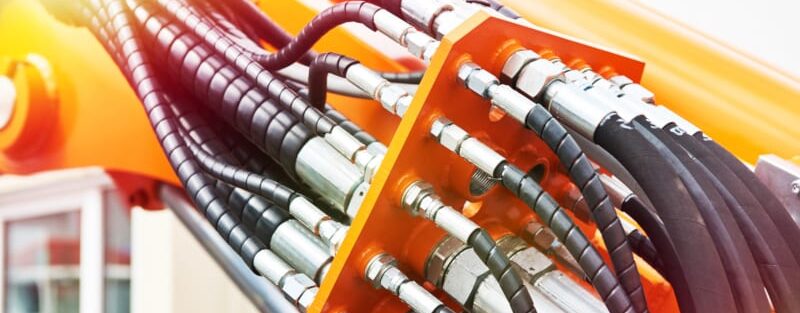
Hose and connection maintenance techniques can help to prevent downtime and keep the hydraulic system running smoothly.
The following are some maintenance tips:
1. Hose assemblies must be examined on a regular basis based on the equipment’s history, full maintenance/inspection processes, and the rigor and possible risks of usage.
2. Do not touch the hose assemblies during the system test to avoid the risk of personal injury.
Keep an eye out for any hazards near the hose assemblies.
The following are examples of test hoses and connectors
- Steel wire that is exposed, damaged, or corroded
- Pipe and joint leaks
- Joints that are broken, damaged, or corroded
- Other visible damage indications
If the above mentioned scenario happens, the hose assembly should be changed immediately. In addition, the hydraulic system should be checked as follows:
- Allow the port to leak
- Pipe clamp to prevent system damage or leaks
- The components have too much dust or grease on them.
- The fluid condition of the system, fluid temperature, pollution, and air retention.
If any of the aforementioned are discovered, appropriate and corrective action will be taken. To evaluate whether the system is leak-free and running properly, functional testing should be undertaken.
1. If the hose assembly can be inspected and disconnected from the hydraulic system, additional actions can be performed to assure correct assembly maintenance.
2. After separating the hose assembly, blow and wash with clean compressed air or rinse with a clean solution medium.
3. Check the hose’s cut, residue, and cleanliness for adhesive.
4. Verify the straightness of the hose and that it is not twisted.
5. Ensure that joints are in excellent shape and that assemblies are correctly buckled or joined.
If the aforementioned scenario is discovered, the hose assembly should be changed. Hose assemblies must be hydro-statically tested for 30 seconds to 1 minute at test pressure or twice the hose operating pressure in accordance with the authorized test stand and procedure provided in SAEJ517.
When the test pressure is reached, visually check the hose for damage or leaking, as well as the pipe body for evidence of loose joints against symptoms of joint movement.
The components should be changed in any scenario.
Specific seam replacement intervals must be determined based on early service life, government, and manufacturing requirements, otherwise deterioration will result in personal harm or property loss.
Storage of pipes
Temperature, humidity, ozone, direct sunshine, oils, solvents, corrosive liquids, insects; rats and radioactive elements can all represent a threat to hose products, resulting in premature hose failure.
Hoses should be stored in a cool, dry place away from heat sources, electrical equipment, and the above-mentioned dangerous components.
The hose’s optimal storage temperature is from +10°C to +20°C, with a maximum temperature of 38°C.